
Ulbrick legacy gear
Ulbrick Archives
A look back at Ulbrick amps and pedals from earlier eras—photos, videos, and notes as we digitise the archive.
History
From workshop builds to stage-ready rigs
- Early 1970s (Melbourne): Ulbrick began in Melbourne, Australia, founded by Dave Ulbrick—a guitarist, electronics technician, and amplifier repair specialist.
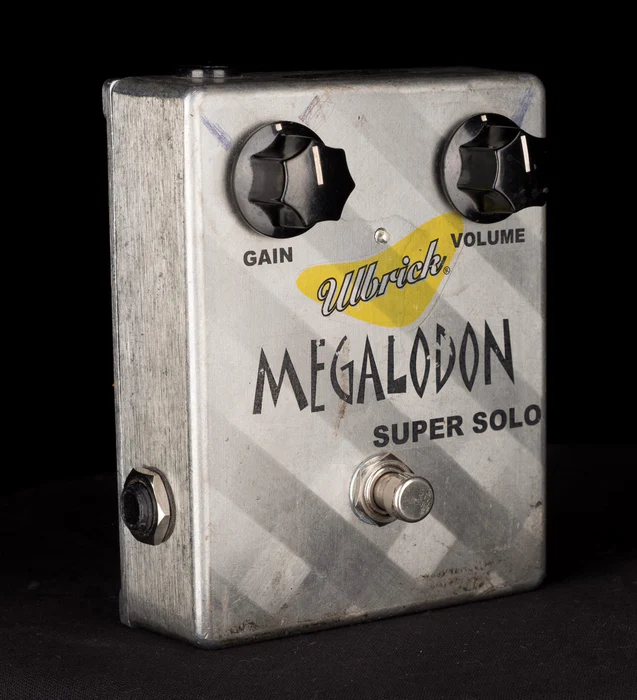
- 1972–1974: With boutique effects hard to find locally, Dave started building pedals for working players. Early builds included the Megalodon Super Solo (boost/lead) and JB Boost.
- 1970s–1980s: The range grew into a small boutique lineup including the 12AXE Overdrive, Phataxe Overdrive, JB Plus Super Booster, Germanium Face, Middleman Germanium Mid Boost, Wobble Tremolo, Pro Octave, and Flat Boost—known for hand-selected parts, hand-wired builds, and careful, studio-minded tone shaping. Many circuits were refined over long R&D cycles.
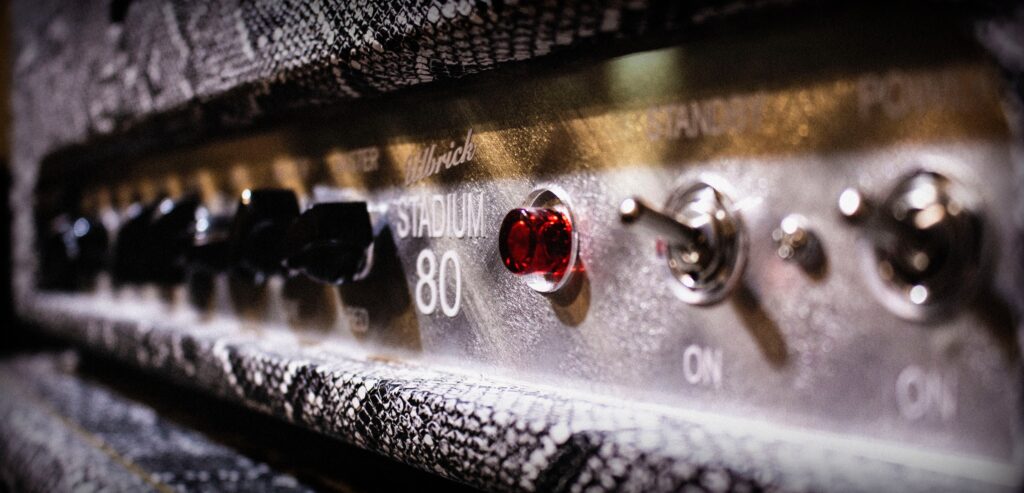
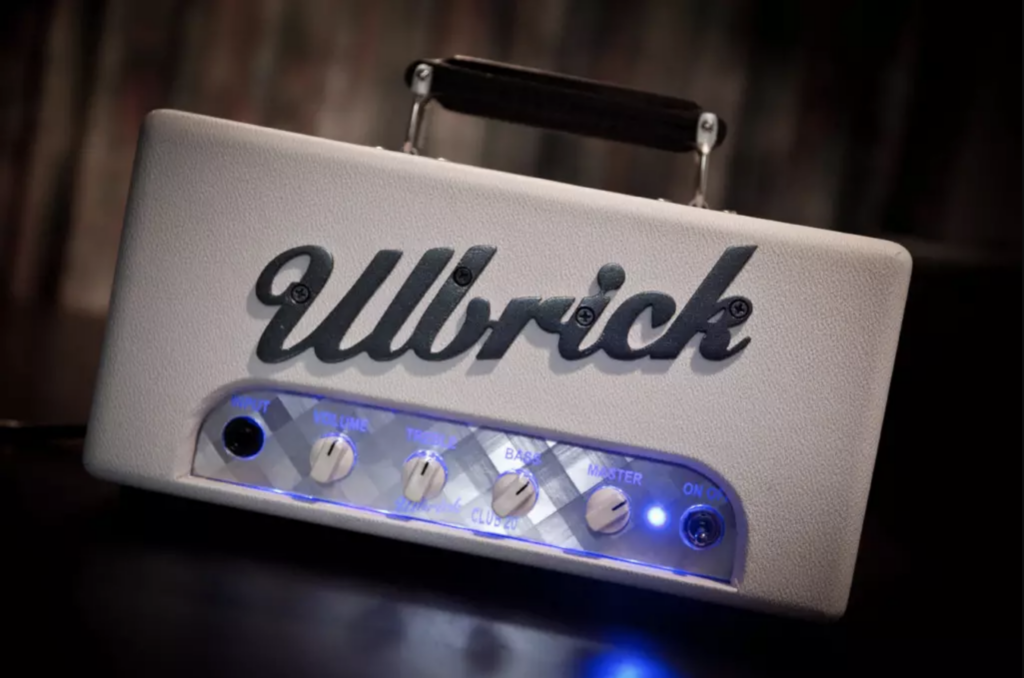
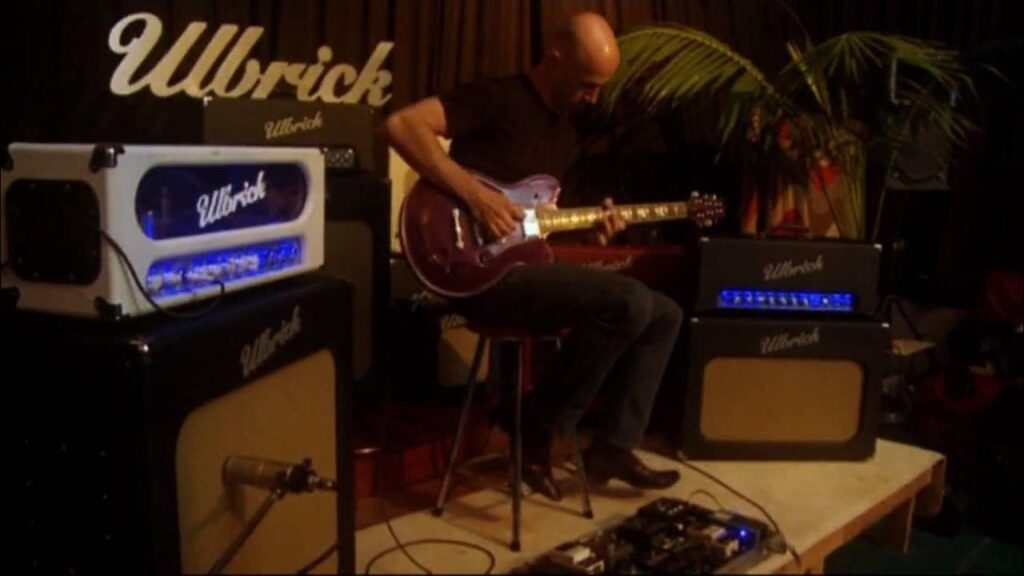
- Late 1970s onward: Ulbrick expanded into hand-built Melbourne valve amps—often point-to-point wired, with hand-wound transformers, custom voicing, and heavy-duty cabinets. Models associated with the era include the Arena Series, Stadium 80, Club 20 / Club 20R, Venue 30 Verbovibe, and Firebottle 5.
- Reputation: Players valued the dynamic touch response, strong headroom, and classic tube character—often described as drawing from familiar Fender/Marshall-style foundations, then pushed further with boutique voicing.
- ~1990: The workshop became a formal business as Ulbrick Music Services, covering repairs, custom builds, pedals, speaker cabinets, and modifications for players, studios, and touring rigs.
- 1990s–2000s: As boutique pedals took off globally, Ulbrick’s earlier designs found new interest among players and collectors. The 12AXE Overdrive remained a signature—some early professional users are reported to have included Tommy Emmanuel.
- Today: That same problem-solving approach continues with the Ulbrick Noise Reduction System (NRS)—a passive coil system designed to reduce single-coil hum while preserving the guitar’s natural tone and dynamics.
Help build the archive: if you have an Ulbrick amp or pedal with a serial number, build notes, or gig photos, please get in touch—every detail helps fill in the timeline.
Brief history
Ulbrick’s story begins in Melbourne in the early 1970s, when Dave Ulbrick—guitarist, electronics tech, and amp repairer—started building and refining gear in an era when boutique options were limited in Australia.
Early pedals (1972–1974)
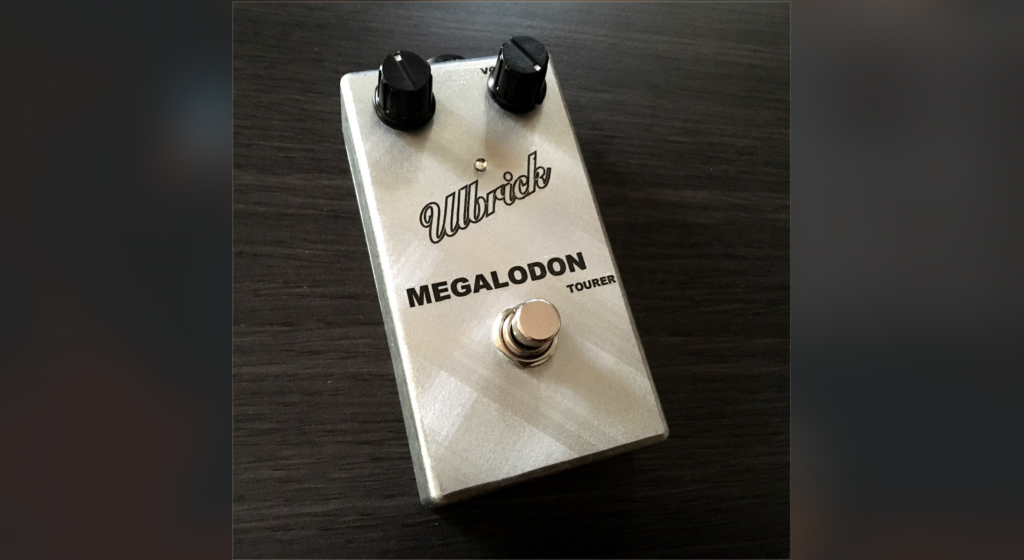
- Megalodon Super Solo — an early drive/boost-style pedal focused on push and presence.
- JB Boost — a straightforward boost designed to hit the front end of an amp with clarity.
Pedal development through the ’70s and ’80s
Through the following decades, Ulbrick pedals were built with a “do it properly” approach—typically hand-wired with carefully selected components, long R&D cycles, and tone shaping aimed at studio-ready results. Some models used NOS germanium transistors where appropriate.
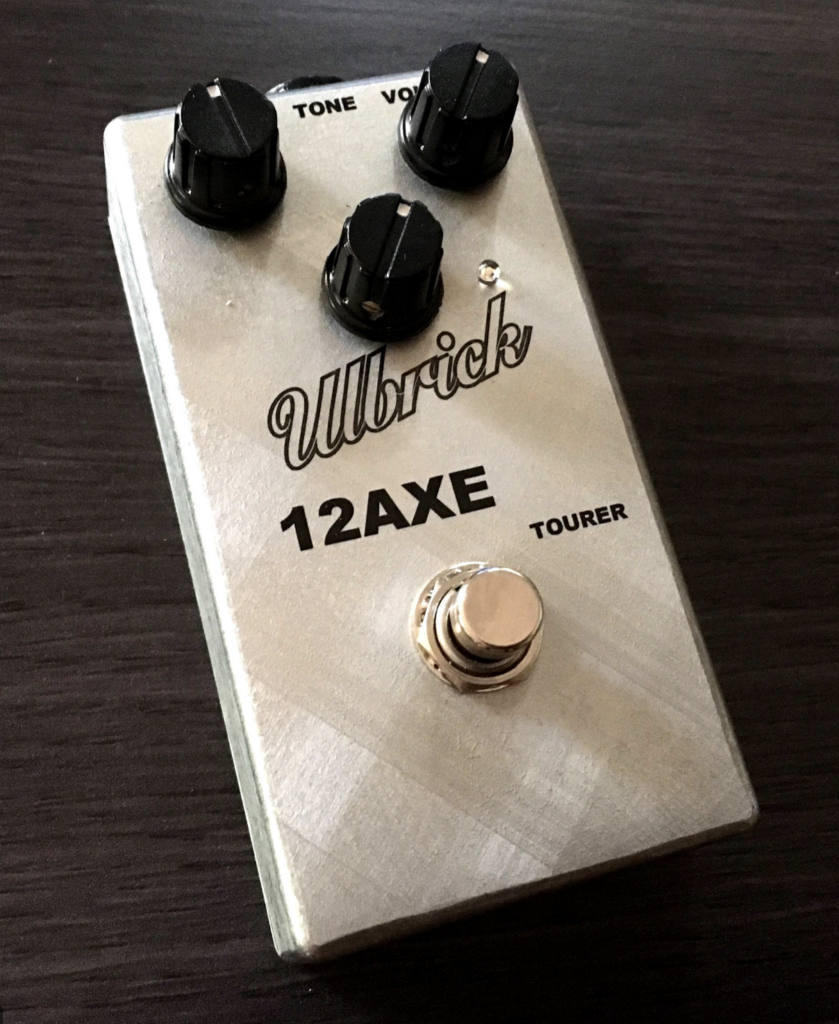
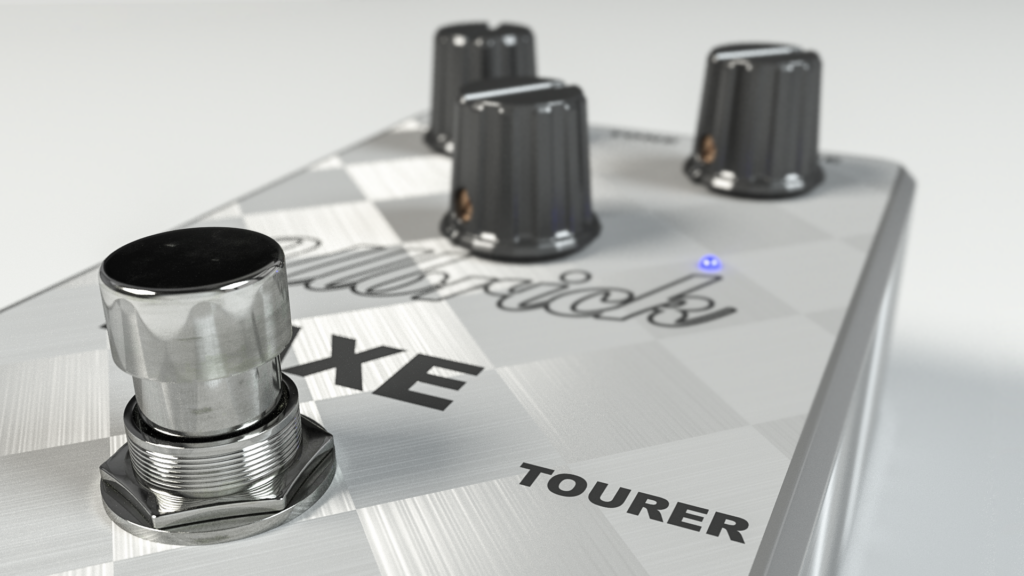
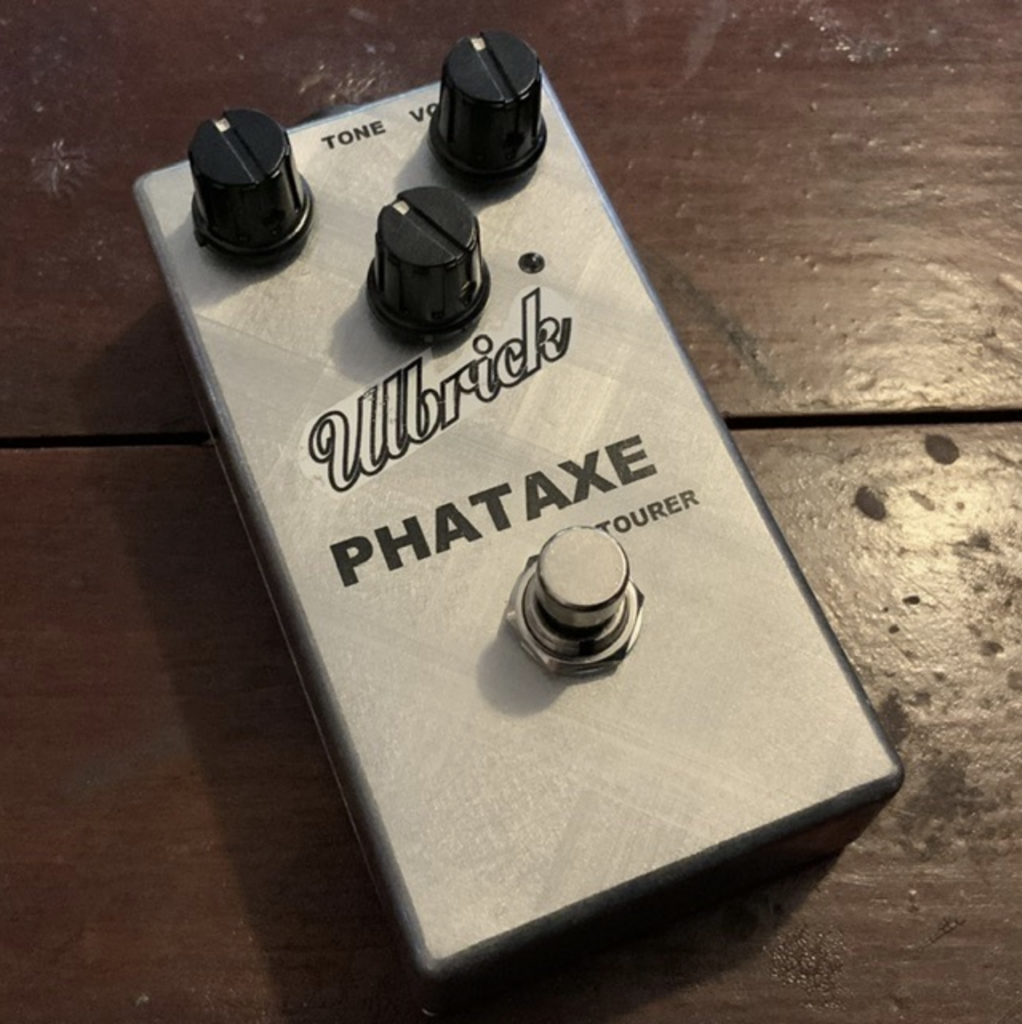
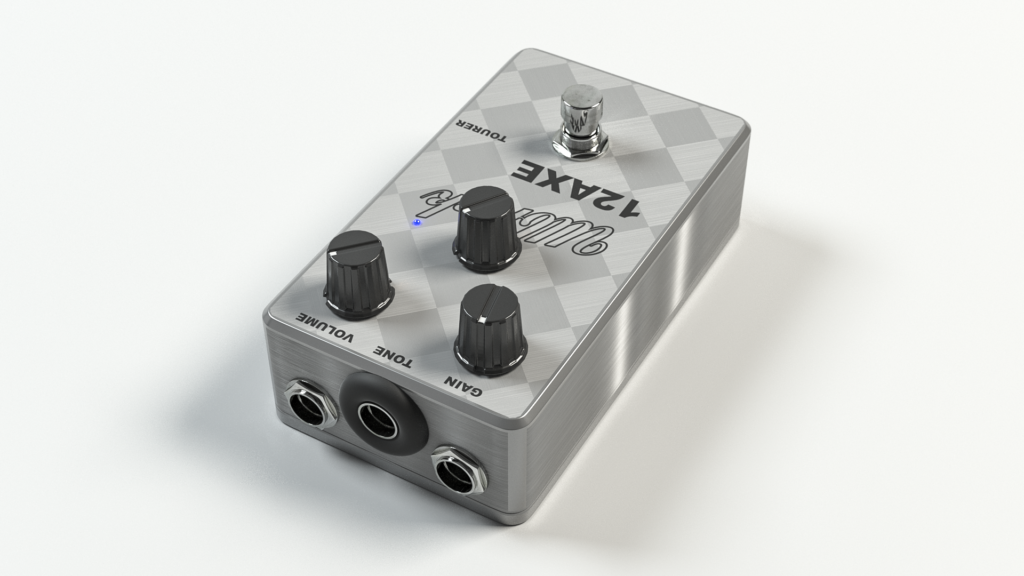
- 12AXE Overdrive and Phataxe Overdrive — touch-responsive drive voices designed to feel amp-like.
- JB Plus Super Booster and Flat Boost — clean gain for pushing amps without losing definition.
- Germanium Face and Middleman Germanium Mid Boost — germanium-flavoured textures and mid focus for cut and sustain.
- Wobble Tremolo, Pro Octave — character effects built for musical tracking and usable ranges.
Hand-built amps (late 1970s onward)
From the late 1970s, Ulbrick also produced hand-built valve amplifiers in Melbourne—often point-to-point wired, with hand-wound transformers, custom voicing, and heavy-duty cabinets. Players typically describe them as having strong touch sensitivity, ample headroom, and classic tube character.
Example models include: Arena Series, Stadium 80, Club 20/20R, Venue 30 Verbovibe, and Firebottle 5.
Ulbrick Music Services (c. 1990)
Around 1990, the work formalised as Ulbrick Music Services, spanning repairs, custom builds, pedals, cabinets, and modifications—building a reputation for servicing touring musicians and studios (notable users are best treated as “reportedly” unless verified).
Boutique pedal renaissance (’90s–2000s)
As boutique pedals surged again in the ’90s and 2000s, Ulbrick revisited and refined key designs, including the 12AXE 20th Anniversary Edition.
A bridge to today
That same problem-solving mindset continues with the Ulbrick Noise Reduction System (NRS)—a unique invention designed to reduce single-coil hum while preserving the feel and tone players rely on.
Amps
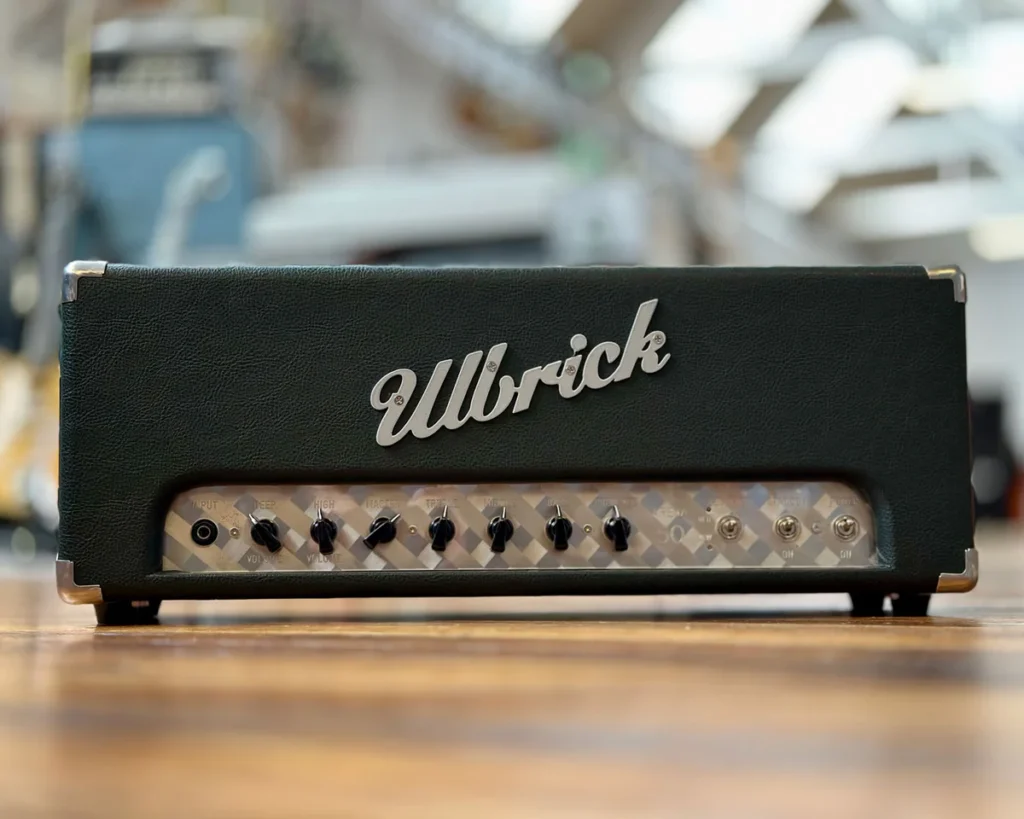
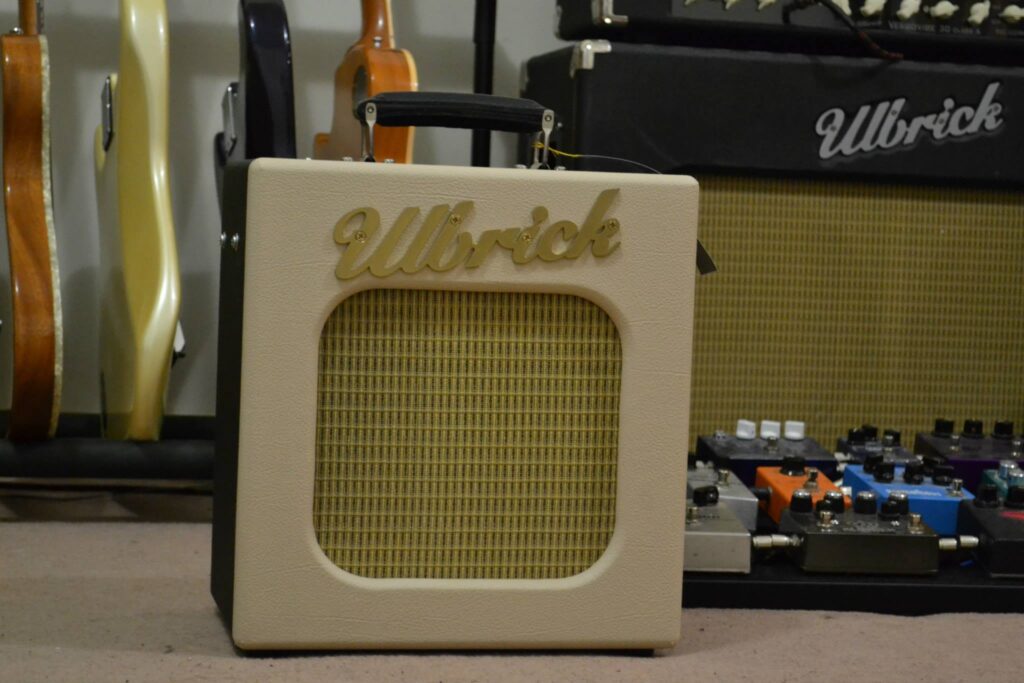
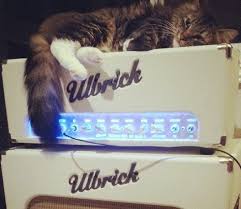
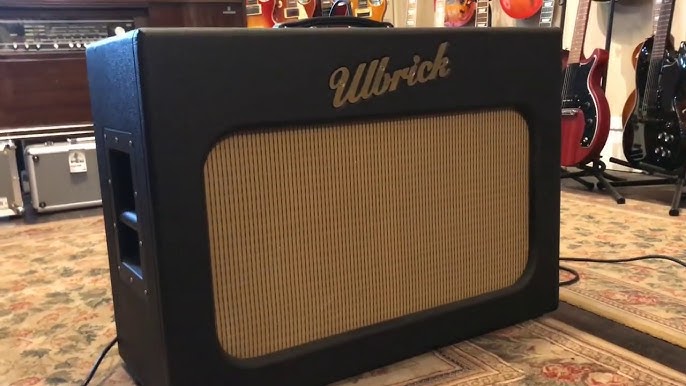
Ulbrick amplifiers are boutique valve amps hand built in Melbourne, Australia by amplifier designer Dave Ulbrick. Designed with a focus on tone, dynamics, and reliability, Ulbrick amps use high quality components and carefully tuned circuits to deliver rich clean tones and responsive overdrive. Built for both studio and stage use, models such as the Stadium, Club, and Firebottle series are known for their strong headroom, touch sensitivity, and classic valve character. Each amplifier is crafted with the philosophy of producing pure, musical tone with professional level build quality.
Pedals
Ulbrick pedals are boutique guitar effects hand built in Melbourne, Australia by amplifier designer Dave Ulbrick. Known for their exceptional build quality and carefully voiced circuits, Ulbrick pedals are designed to enhance a guitarist’s tone rather than mask it. Using premium components and years of circuit refinement, models like the 12AXE Overdrive and JB Boost have earned a reputation for natural, musical response and studio-grade sound. Each pedal reflects a philosophy of simple, high quality design focused on clarity, dynamics, and reliability.
Videos & demos
Ulbrick clinic 2007 (Cranbourne) — Irwin Thomas performing “I’m Buzzed” (with Chris Bekker on bass and Johnny Salerno on drums)
Stadium 80 — Featuring Simon Hosford
Stadium 120 — Featuring Irwin Thomas
Sam Vincent — Live in studio with Steven Scott (bass) and Michelle Vincent (drums) on Stadium 120